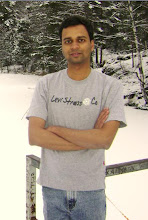
Rafting is such a passionate thing to do that it has always pulled me to this region year after year. Last year we scheduled our rafting trip at camp Nirvana near Byasi in Garhwal during March. This is one of the best times of the year to carry our such adventurous tasks without getting tired. The ascent to the Himalayas from Delhi was indeed a breathtaking experience. As soon as you cross Haridwar, you can encounter hills and slope, which become steeper as you go ahead. We entered the Himalayas and then eventually the road started circumventing around the river Ganges till we reached our camp. The camp was situated almost 35 kms ahead of Rishikesh, near Byasi, on the white sand shore of Alaknanda, a tributary to Ganges. The camp and its surrounding were a real heaven for outdoor lovers. The calm blue water of the river just stretching out and surrounded by mountain on the opposite shore, was scenic. On our side, the white sand along the shore went ahead till it was consumed by the rocky banks of the river beyond which the river attained its full flow. Our tents on the white sand were small and temporary, set for few months only. It lacked the comfort of a permanent setup, but still it was enough for two people to sleep, if not much. Since the blowing wind gets the sleeping beds covered with sand, it is imperative that you are not allergic to sand or dust. Besides, the must-haves include a mosquito repellent lotion, an torch with battery, and toiletries in your backpack. To kill the second half of the first day, which included no major activities, we floated in calm waters, played games (coach was our guide there) and in the night, drank beer alongside the bonfire.
Day 2: was the rafting day, which starts at Shivpuri, nearly 10 km away from our camp towards Rishikesh. The 26 Km stretch towards Rishikesh was filled with level II and III rapids. We were given basic lessons before jumping in our rafts and even forced to jump from the rafts in the middle of the river (we were all buckeld to life jackets, so it was rather fun).
The rapids encountered during the trail are real fun. Boat or the sailor might get tumbled also due to the highly powerful rapids and whirlpools. We hardly encountered a level IV rapid in our way, which is still one notch down to the most dangerous of all, a level V rapid. Those rapids are only for the trained rafters and are not found along Alaknanda river. You have to go up to Himachal or Nepal to encounter them, if you are brave enough. Our double-bladed paddles were useful for paddling as well as saving a fallen sailor from the raft by offering him/her the handle of the shaft. Of cource, be ready to get pampered by you co-sailors in case you loose your paddle to the waters. At the end of the trail, we had a cliff jumping which no one except me in my team dared to do and which left my jaw bleeding.
Overall, the tour was a fun and I am hoping to continue my voyage this year as well with some decent fun in the water and sky (planning to try paragliding ;)
Wednesday, February 3, 2010
Amritsar
The holy city - as they call it. My journey to Amritsar was actually an extension of my travel to Yamunanagar (Haryana) where I went to attend my friend's wedding reception. The overnight train travel to Amritsar finally landed us (me and my friend Ravi) to the city named after the pool of nectar of immortality. As like at any other city in India, we were surrounded by the autowalas as soon as we reached out of the railway station. We preferred to choose an older auto driver over a younger one, simply due to his additional offer to drop us in to a hotel for few hours so that we can get fresh, in least possible expense. But there was still a catch in his offer which we came to know later and will also write about that later in this travelogue.
The city is divided into the old and new one, as any other city in India. We chose to stick to the
older part of the city mainly due to time limitation. The Golden Temple, situated at the heart of the city is just an astonishing piece of monument that we witnessed just at 10:10:35 AM, a mere coincidence. One thing which bewildered me as we crossed the gate of the outer periphery of the temple premises was the lack of any security check. In the times when every important monument around the world is being protected by heavy security checks and surveillance cameras, it was hard to believe that such an important sight is left open for the visitors without any check on them.
Anyways, it was again a pleasant surprise that despite being nearest to our neighbour's borders, at least one part of the country is so safe. The outer structure of the temple premise simply reflects the time-line along which it was built, possessing various architectural types. Interestingly, the names of the donors to the golden temple trust are inscribed all around, with even the names of the donors who donated as a minimal amount as Rs 25. The premises is beautifully carved the temple itself is like a sanctuary for those who are in search of peace. As one English tourist told us there " I never thought it to be so beautiful just in the middle of the old city. Its amazing". We couldn't agree more.

A quick visit to Jaliawalan bagh proved to be worth refreshing our minds remembering the martyrdom of thousands who gave their lives within that very boundary which we were witnessing. The bullet marks were still preserved on the walls. Those walls which were a part of the houses where people were still living even after 90 years. There I realized that preservation of monuments in my country is sometime not only because of its historical value but also because they still house living people inside them, who have no place to go elsewhere.
Our autowala was always ready to take us to another place of visit as we come out of one, proving his loyalty. Basically he was an auto driver bound to pick and drop school children every morning and afternoon. So was his job that day. In the afternoon he had to manage both the tasks, take us to the wagah border and drop children to their respective homes from school. Finally he made us agreed that he can do both simultaneously, thus giving us a ride with children on the way to the border. And in the end we actually couldn't believe that it was so much fun to ride with 10 children in an auto.
Wagah border is a dramatically ecstatic place, rather than a dreadful juncture, where Indian and Pakistani soldiers do their daily ritual of flag hoisting and retreat. Technically, the border is called Atari from Indian side and Wagah from Pakistani side, names of the villages closest to the border from both the sides. The place looked more like a picnic spot than an international boundary between two rival nations having fought three wars already. The enthusiasm of the crowd during the retreat was splendid. The seating area is about 1 km from where the auto left us. There obviously was a queue made to enter the seating area, we preferred to bypass it and adopt 'Indian way' to enter the arena. The whole 1 hour show was precisely planned. The flag down ritual was done with such a dexterity by soldiers from both the sides, that I wondered how can two nations, obvious enemies in each other eyes, agree on doing things in so much sync.
Later half of the day we spent vising the golden temple again, after sunset, when it looked even more beautiful. This time we even got a place to sit cross-legged inside the temple and listen the prayers.
We had Punjabi butter chicken and Naan in our dinner at a famous yet small dhaba in the city. We had our train at 5:00 in the morning next day, so had to find a way to spend some more time in the city. Visiting a movie hall and watching film could not have been a better time-pass, although it could ate only 3 hours of the night. Rest of the time we spent sleeping inside the idling train at the station, which left at its scheduled time at 5 AM taking us back to Delhi.
The city is divided into the old and new one, as any other city in India. We chose to stick to the
older part of the city mainly due to time limitation. The Golden Temple, situated at the heart of the city is just an astonishing piece of monument that we witnessed just at 10:10:35 AM, a mere coincidence. One thing which bewildered me as we crossed the gate of the outer periphery of the temple premises was the lack of any security check. In the times when every important monument around the world is being protected by heavy security checks and surveillance cameras, it was hard to believe that such an important sight is left open for the visitors without any check on them.
Anyways, it was again a pleasant surprise that despite being nearest to our neighbour's borders, at least one part of the country is so safe. The outer structure of the temple premise simply reflects the time-line along which it was built, possessing various architectural types. Interestingly, the names of the donors to the golden temple trust are inscribed all around, with even the names of the donors who donated as a minimal amount as Rs 25. The premises is beautifully carved the temple itself is like a sanctuary for those who are in search of peace. As one English tourist told us there " I never thought it to be so beautiful just in the middle of the old city. Its amazing". We couldn't agree more.
A quick visit to Jaliawalan bagh proved to be worth refreshing our minds remembering the martyrdom of thousands who gave their lives within that very boundary which we were witnessing. The bullet marks were still preserved on the walls. Those walls which were a part of the houses where people were still living even after 90 years. There I realized that preservation of monuments in my country is sometime not only because of its historical value but also because they still house living people inside them, who have no place to go elsewhere.
Our autowala was always ready to take us to another place of visit as we come out of one, proving his loyalty. Basically he was an auto driver bound to pick and drop school children every morning and afternoon. So was his job that day. In the afternoon he had to manage both the tasks, take us to the wagah border and drop children to their respective homes from school. Finally he made us agreed that he can do both simultaneously, thus giving us a ride with children on the way to the border. And in the end we actually couldn't believe that it was so much fun to ride with 10 children in an auto.
Wagah border is a dramatically ecstatic place, rather than a dreadful juncture, where Indian and Pakistani soldiers do their daily ritual of flag hoisting and retreat. Technically, the border is called Atari from Indian side and Wagah from Pakistani side, names of the villages closest to the border from both the sides. The place looked more like a picnic spot than an international boundary between two rival nations having fought three wars already. The enthusiasm of the crowd during the retreat was splendid. The seating area is about 1 km from where the auto left us. There obviously was a queue made to enter the seating area, we preferred to bypass it and adopt 'Indian way' to enter the arena. The whole 1 hour show was precisely planned. The flag down ritual was done with such a dexterity by soldiers from both the sides, that I wondered how can two nations, obvious enemies in each other eyes, agree on doing things in so much sync.Later half of the day we spent vising the golden temple again, after sunset, when it looked even more beautiful. This time we even got a place to sit cross-legged inside the temple and listen the prayers.
We had Punjabi butter chicken and Naan in our dinner at a famous yet small dhaba in the city. We had our train at 5:00 in the morning next day, so had to find a way to spend some more time in the city. Visiting a movie hall and watching film could not have been a better time-pass, although it could ate only 3 hours of the night. Rest of the time we spent sleeping inside the idling train at the station, which left at its scheduled time at 5 AM taking us back to Delhi.
Subscribe to:
Posts (Atom)